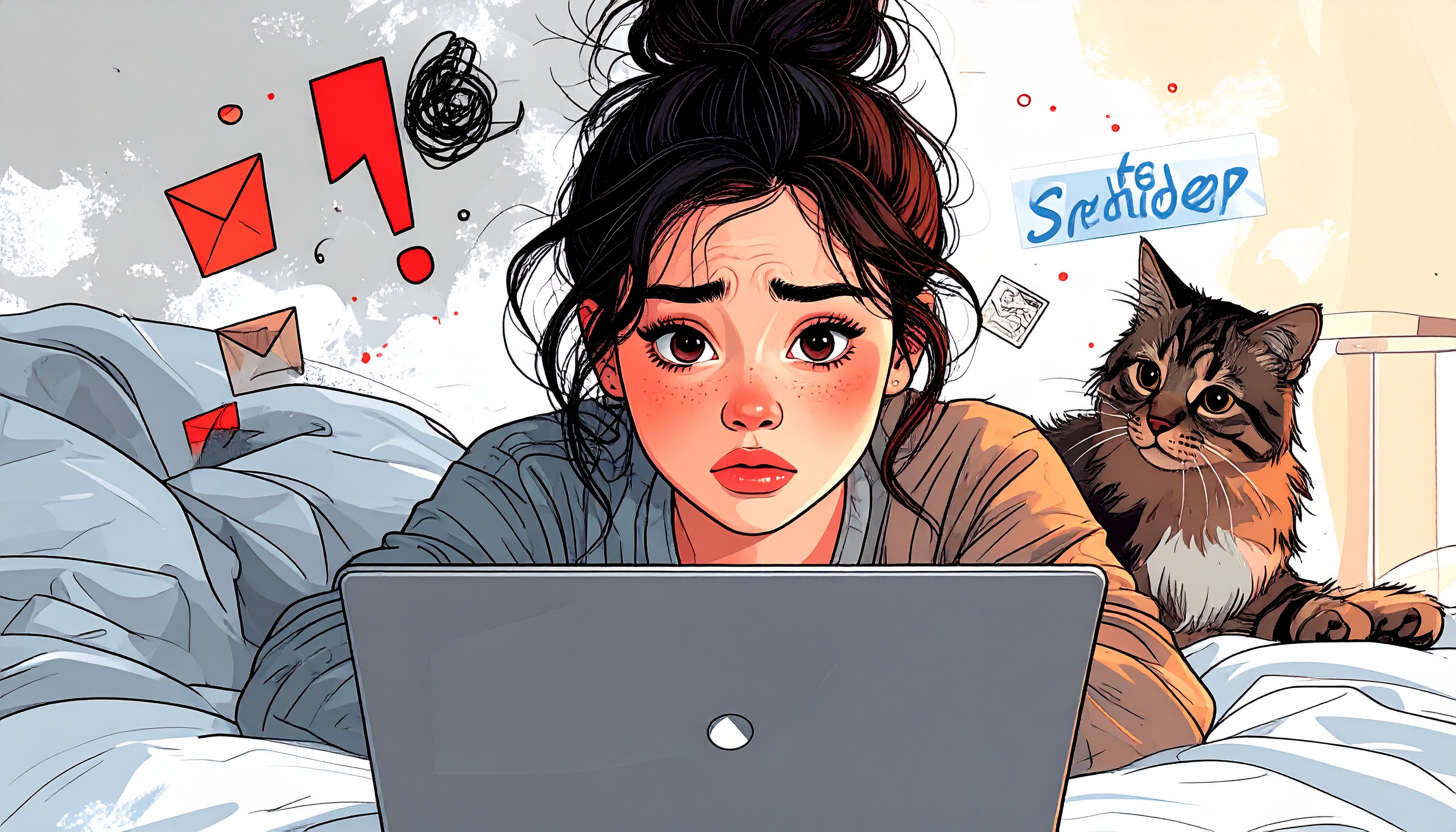
a person with ADHD staring at an email on their laptop, visibly overwhelmed—cheeks flushed, eyebrows raised in panic. Floating around them are exaggerated symbols of spiralling thoughts (e.g., thunderclouds, red exclamation marks, tiny rejection notes). A pet or friend in the background holds a “Safe Decoder” phone, showing emotional support. Use warm colours with emotional expression, not distress.

😭 Why You Cry at Emails: Emotional Regulation for ADHD

One email. Just a few words. And suddenly your whole body tightens, your face burns, and you’re on the verge of tears.

You’re not dramatic. You’re emotionally dysregulated—and you’re not alone.

For ADHD brains, emotional reactions often hit faster, harder, and louder than seems “logical.” Especially when the trigger is vague, abrupt, or even well-meaning.

This post isn’t just about inbox meltdowns. It’s about why small things feel big—and what’s actually happening behind the flood.

Continue reading
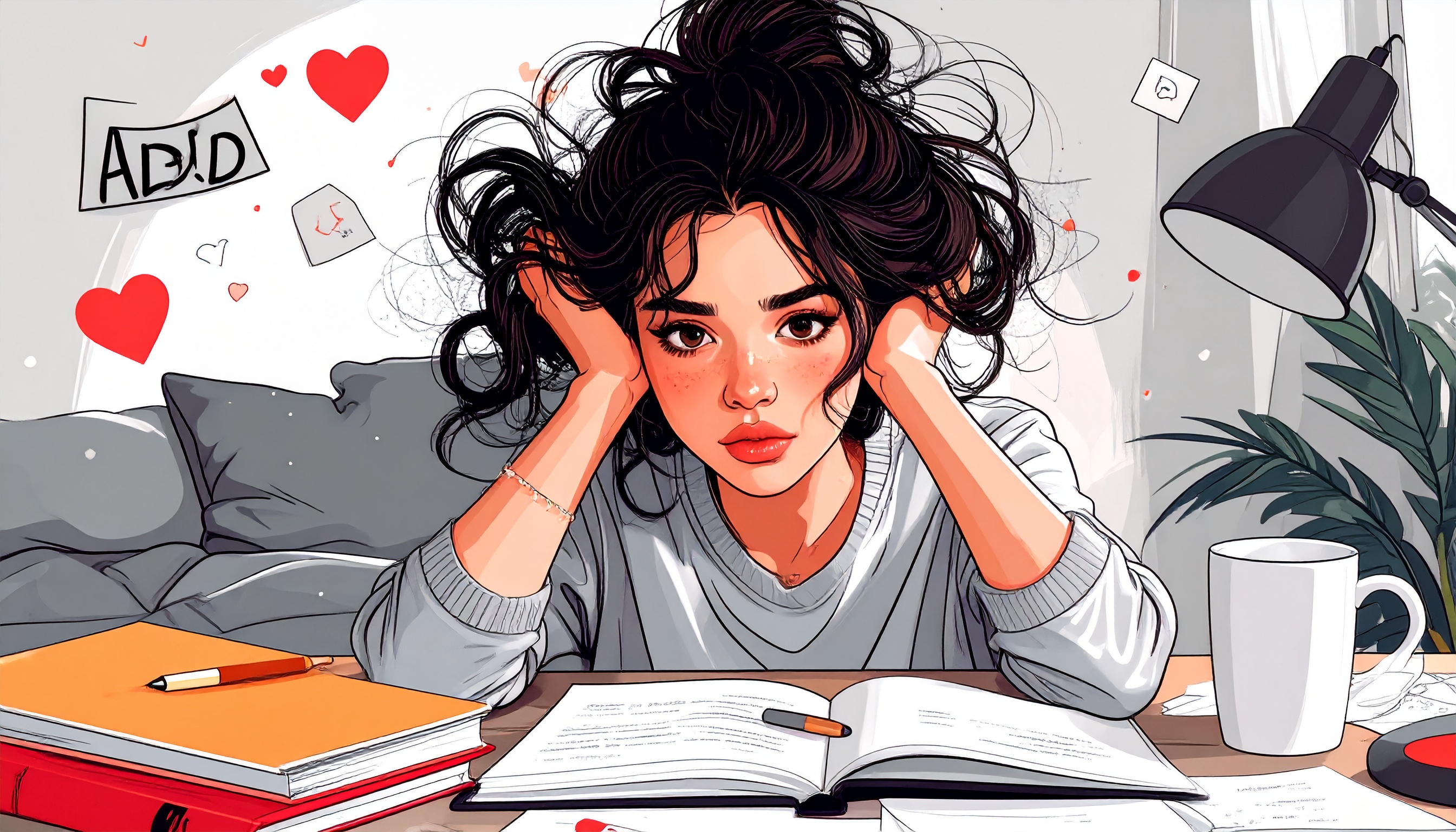
Cartoon of a person with ADHD sitting at a cluttered desk, surrounded by negative symbols of the ADHD shame spiral (guilt, self-doubt, failure). The image shows emotional overwhelm but also includes a calming background element.

😔 ADHD & The Shame Spiral: How to Break It

You forgot to reply to that message. You left the laundry in the washer. Again.
And now your brain is screaming: Why can’t I just be normal?!

Sound familiar? That, my friend, is the shame spiral in full swing. 💫

For ADHDers, this cycle can feel never-ending. One slip-up leads to guilt ➡️ which leads to self-doubt ➡️ which leads to executive dysfunction ➡️ which leads to more guilt. Rinse, repeat, meltdown. 🔁

But here’s the twist: this spiral isn’t your fault.
And better yet—you can break it. 🧠✨

Continue reading